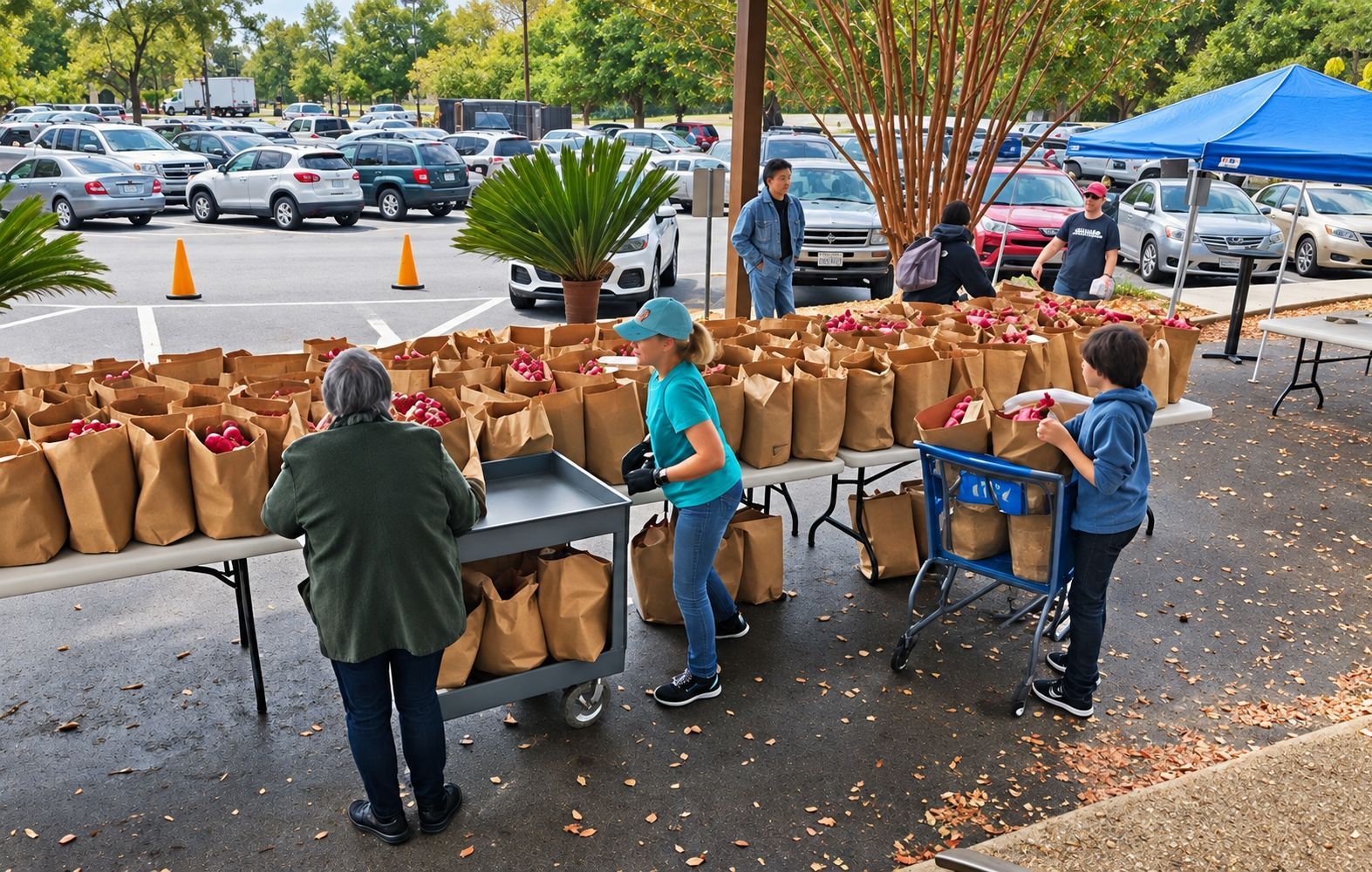

46% of Bexar County residents are unable to afford basic necessities

John Guinee • April 27, 2026

Nearly half of residents in Bexar County—about 46%—are unable to afford basic necessities, a statistic that highlights the depth of financial strain in the region. This figure includes not only those living below the federal poverty line, but also a large group of working individuals and families who earn too much to qualify for assistance yet still fall short of covering everyday expenses. It reflects a broader cost-of-living challenge rather than a simple measure of unemployment or poverty.


These are people who are working—sometimes multiple jobs—but whose wages have not kept pace with rising costs. Essentials such as housing, childcare, groceries, transportation, and healthcare have become increasingly expensive, making it difficult for families to maintain financial stability even with steady employment.


In practical terms, this financial pressure forces many residents to make difficult trade-offs. A household might delay medical care to pay rent, cut back on groceries to afford childcare, or rely on credit to manage unexpected expenses. Living paycheck to paycheck becomes the norm, leaving little room for savings or long-term planning and increasing vulnerability to emergencies.


This situation also reflects broader economic trends affecting communities across the country, but it is especially pronounced locally due to rapid population growth and rising living costs. The 46% figure underscores the need for solutions that address both wages and affordability—ensuring that full-time work provides not just survival, but a path toward stability and security.


By John Guinee March 26, 2026
Addiction to social media is a growing behavioral challenge in modern society, driven by the constant availability of online interaction, validation, and entertainment. Platforms are designed to capture attention through notifications, likes, shares, and endless scrolling, which can trigger dopamine responses in the brain similar to other addictive behaviors. Over time, excessive social media use can lead to reduced productivity, sleep disruption, anxiety, low self-esteem, and feelings of isolation — even though users may appear socially connected. Many individuals begin to rely on social media for emotional comfort, comparison, or escape from real-life stressors, making it harder to set healthy boundaries. Building awareness, practicing intentional screen limits, prioritizing in-person relationships, and engaging in meaningful offline activities are important steps toward restoring balance and protecting mental and emotional well-being. If feelings of negativity or loneliness become overwhelming, don’t hesitate to seek a mental health professional below.
By John Guinee March 26, 2026
Cash-only or cash-plus pharmacies are often cheaper than traditional pharmacies because they operate outside the complex insurance billing system. By not processing prescription claims through insurance companies or pharmacy benefit managers, they avoid administrative costs, transaction fees, and delayed reimbursements that can drive up prices. These pharmacies also have more freedom to set transparent pricing, focus on stocking low-cost generic medications, and run with lower overhead expenses such as smaller staff and simplified services. As a result, they can pass these savings directly to customers, and in many cases the out-of-pocket cash price for a prescription may be lower than the typical insurance copay at a traditional pharmacy. San Antonio Compassion does not endorse these pharmacies, but they are growing. We have created a Prescription Assistance resource page below.
By John Guinee March 26, 2026
In today’s fast-paced, digitally saturated world, relationships can become hyper-connected, and yet we are deeply isolated, directly fueling chronic loneliness. Despite hundreds of virtual acquaintances, the absence of authentic and emotional support leaves individuals feeling unseen and unheard. This creates a significant stressor and subjective void between the social connection a person desires and what they actually experience. Without these vital bonds to provide security and validation, people increasingly struggle with anxiety, depression, and significant mental health challenges. A simple phone call, invitation, or act of kindness can interrupt isolation and remind someone that they matter. Loneliness is linked to a decline in physical health. When we intentionally reach out, we strengthen not only one person, but the fabric of our entire community. Choosing to show up for someone who feels unseen reflects compassion in action—it says, “You are not alone, and your life has value.” Sometimes the smallest gesture becomes the turning point in someone’s story.

By John Guinee March 26, 2026
The holidays for many can be overshadowed by a persistent cloud of negativity, turning "the most wonderful time of the year" into one of the most challenging. The season amplifies feelings of loneliness, especially for those grieving the loss of loved ones or dealing with fractured relationships. ACKNOWLEDGING THE REALITY OF HOLIDAY NEGATIVITY It’s important to validate emotions that arise at this time. It’s okay to not be okay, even during a season that demands for relentless positivity. By giving yourself permission to feel whatever you’re experiencing, you take the first step toward addressing those feeling. Focus on quality time with loved ones, a moment of reflection, or volunteering to help others. CREATE BOUNDARIES Whether it’s limiting your time at stressful gatherings or saying no to overcommitting, boundaries are crucial during this season. Protect your mental health by recognizing your limits. PRACTICE SELF-CARE Amidst the hustle, carve out time for yourself. Whether it’s a quiet evening with a book, a brisk walk in nature, or indulging in a favorite hobby, self-care can recharge your emotional batteries. REACH OUT If feelings of negativity or loneliness become overwhelming, don’t hesitate to seek support. A trusted friend, family member, or mental health professional can provide the understanding and encouragement you need. Connecting with others who may share your struggles can also foster a sense of solidarity.