

Child Advocates San Antonio

Leticia Hernandez
In Bexar County, thousands of children enter the foster care system each year—often confused, uncertain, and navigating circumstances far beyond their control. According to Child Advocates San Antonio (CASA), more than 4,400 confirmed cases of child abuse and neglect were reported in Bexar County last year alone. Behind each number is a child who needs stability, advocacy, and someone willing to stand in the gap.
Leticia Hernandez, Vice President of Recruitment at CASA, emphasizes a critical point: CASA is not an adoption agency. Instead, it is a nonprofit organization dedicated to inspiring hope and providing consistent support for children while they are in the foster care system. CASA volunteers are everyday individuals—people from the community—who are appointed by judges to advocate for the best interests of these children.
“These are our friends’ kids, our nieces, nephews, and grandkids,” Hernandez explains. “It’s everyone’s responsibility to protect them.”
When a child enters foster care, a CASA advocate is often assigned to their case by a judge in Bexar County. That advocate becomes a steady presence in the child’s life, visiting them regularly—whether they are placed in a foster home, with relatives, or in a shelter. Through a court order, advocates can access medical, dental, and educational records, and speak with teachers, caregivers, and professionals involved in the child’s life. Their role is to gather critical information and present it to the court, ensuring the judge has a clear understanding of what the child truly needs.
CASA ensures that volunteers are never alone in this process. Each advocate is supported by a supervisor who guides them every step of the way—from court hearings to child visits. No prior social work experience is required; CASA provides all necessary training and tools. What matters most is compassion and commitment.
One story Hernandez shared highlights the impact a single advocate can have. A child who was struggling academically—earning mostly C’s and D’s—was simply seen as underperforming. But after building a relationship and taking time to understand the child’s needs, the advocate discovered the issue was vision-related. The child needed glasses. With that simple intervention, the student’s performance dramatically improved, eventually becoming an A student.
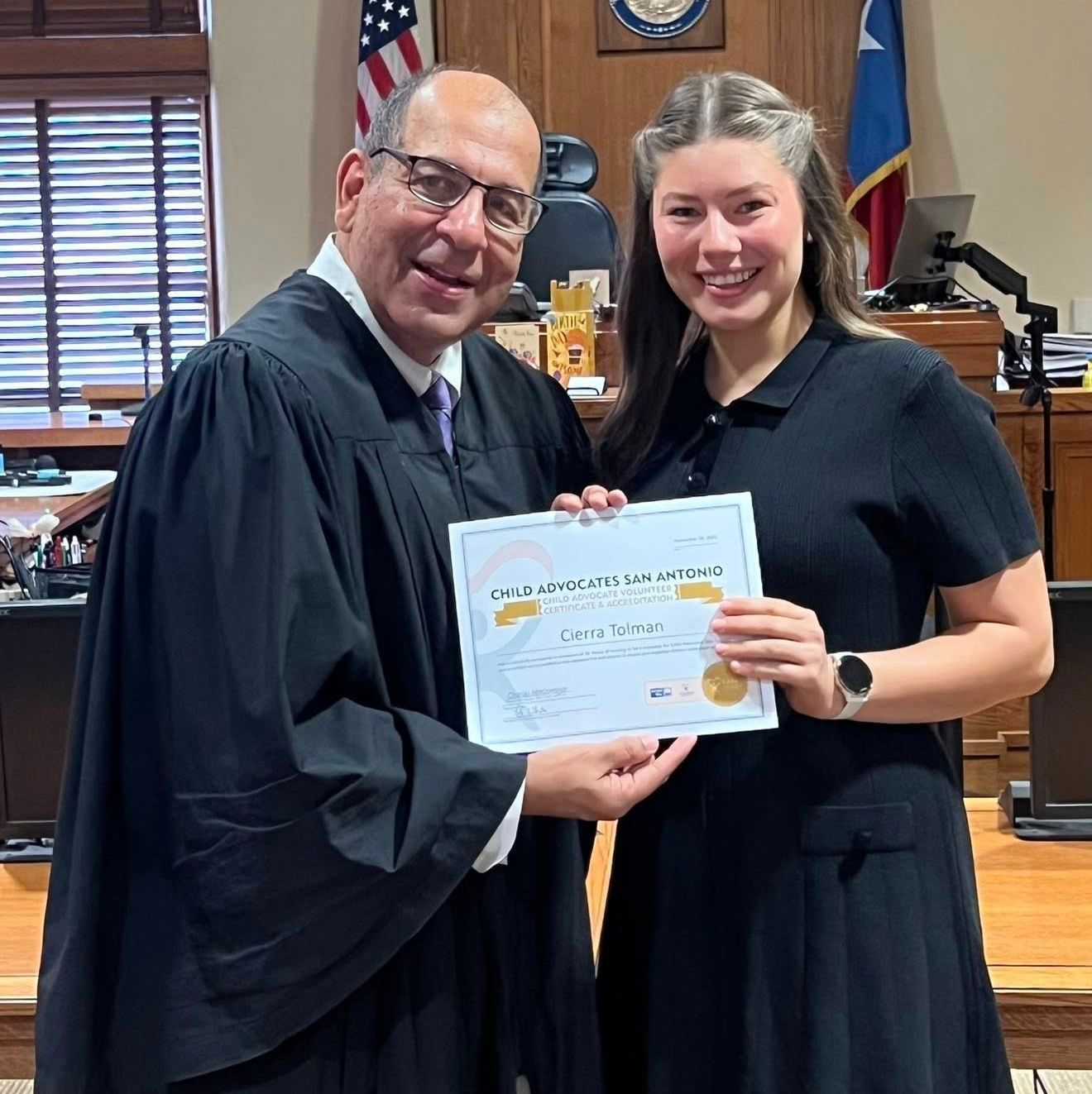
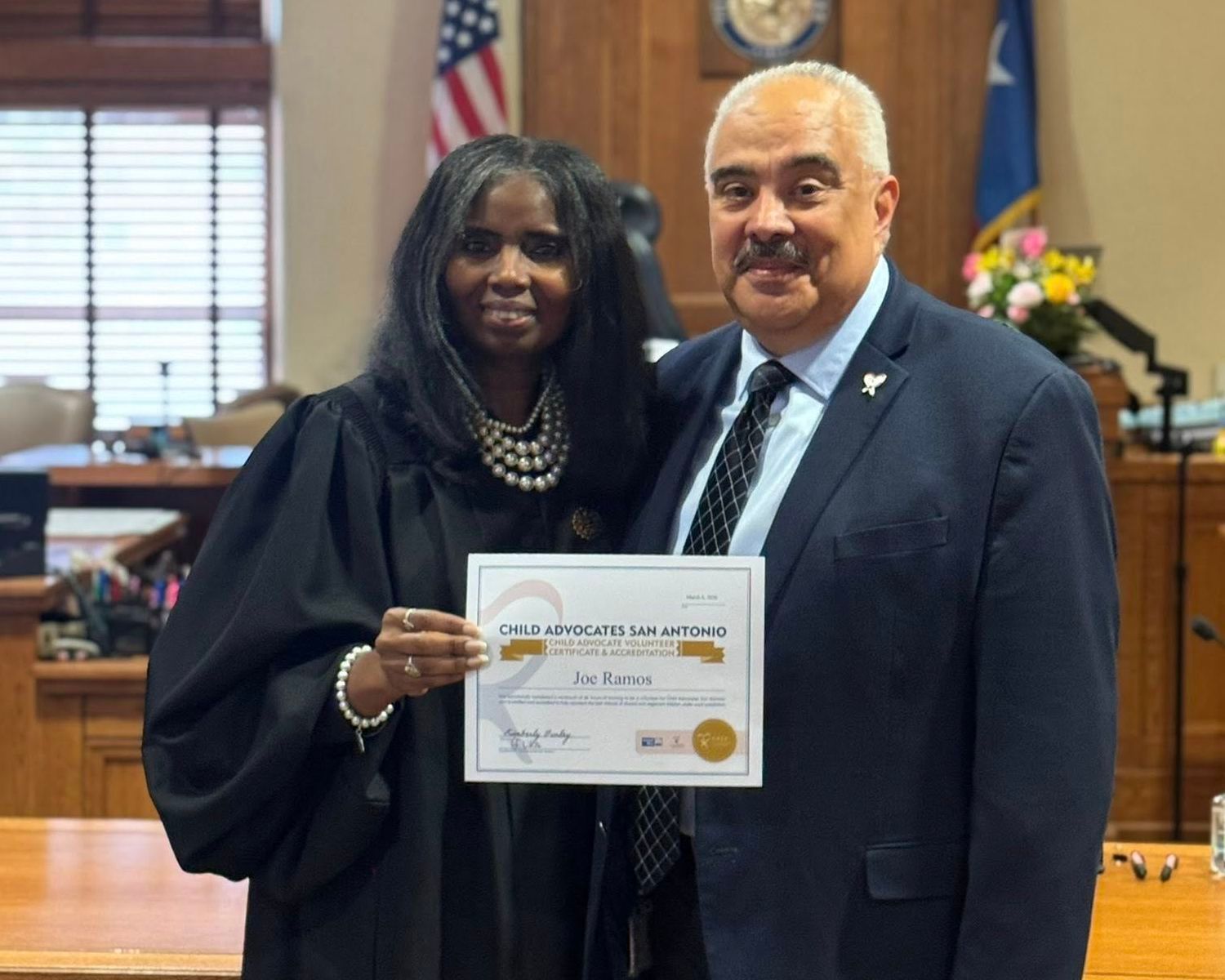
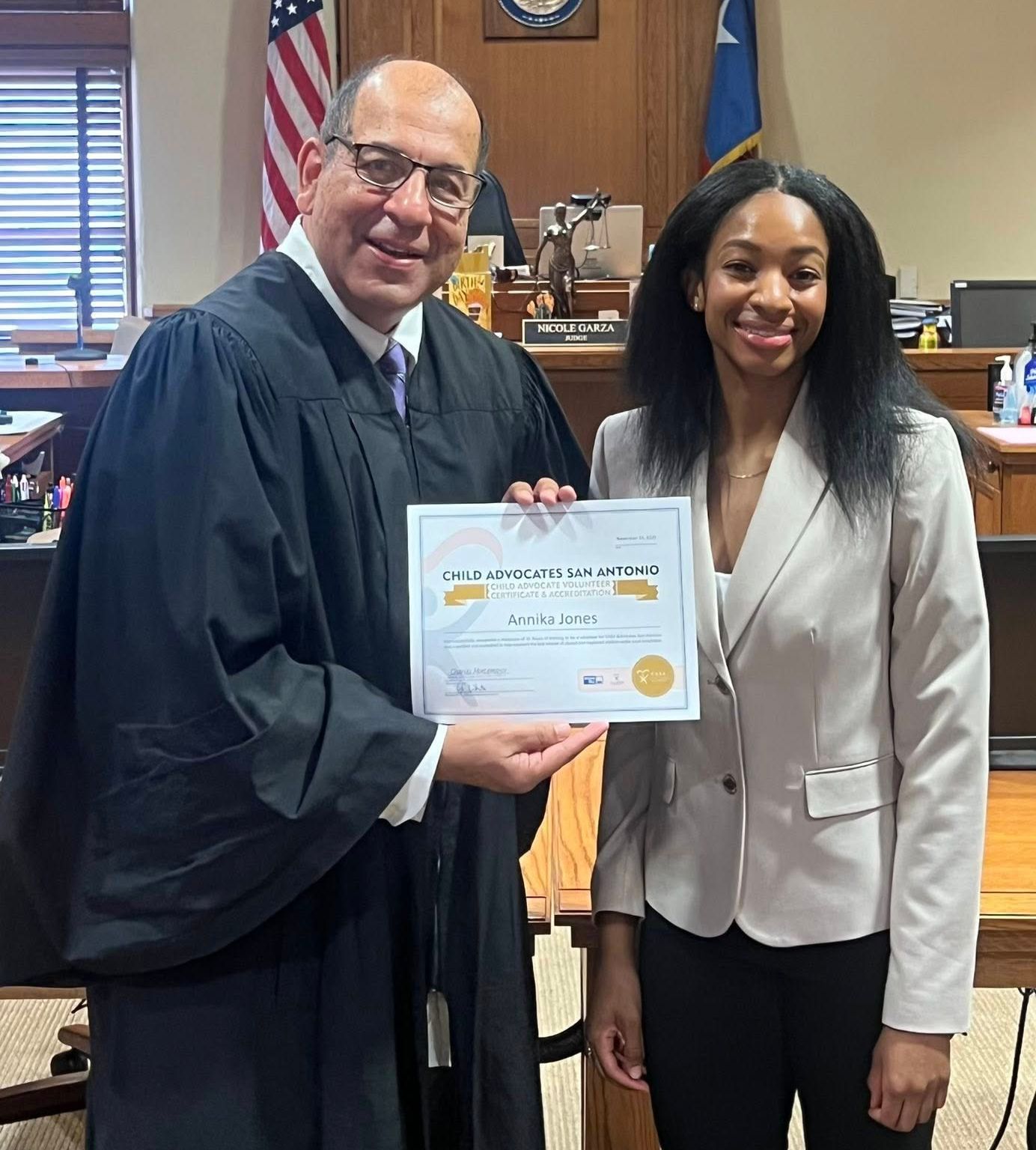
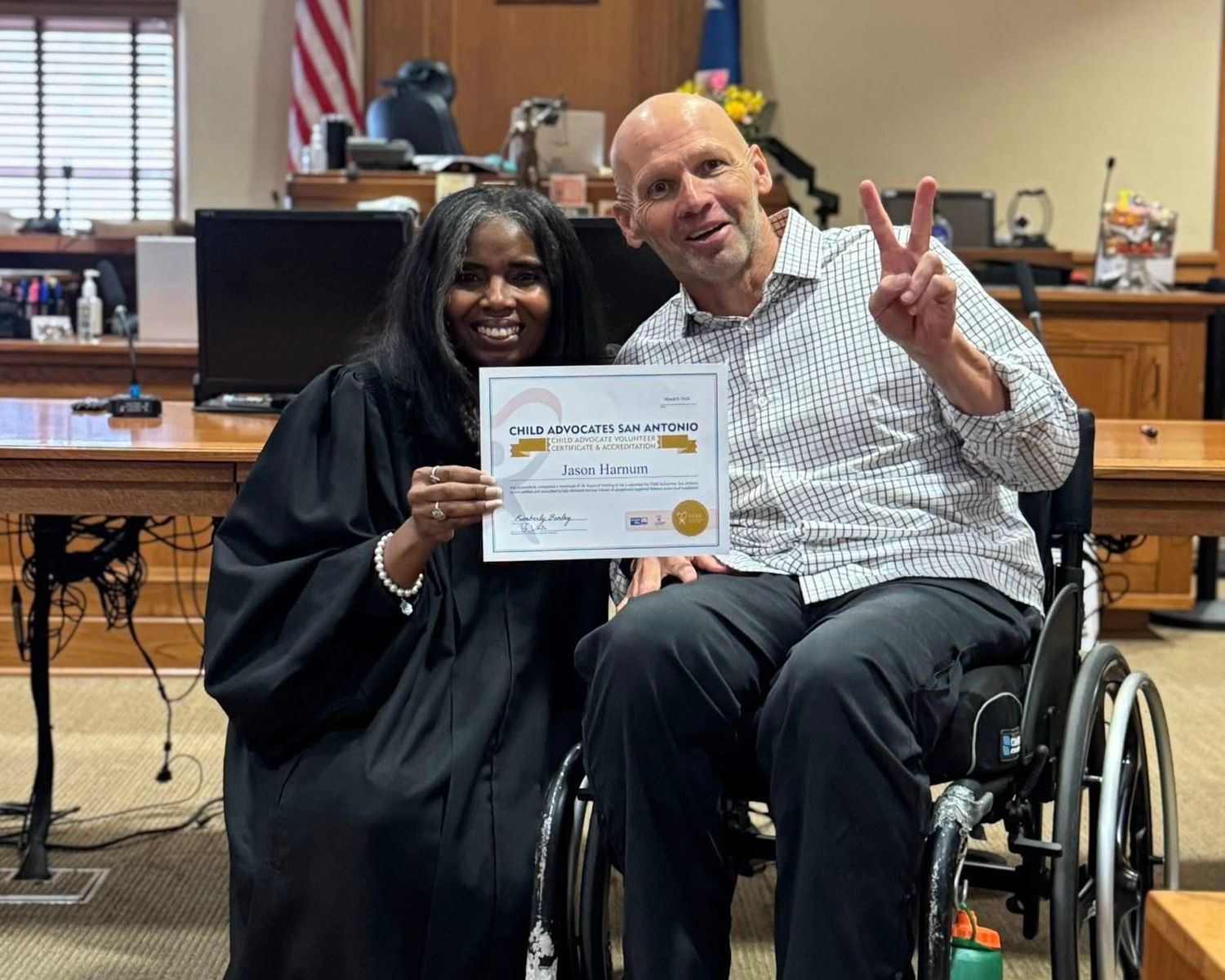

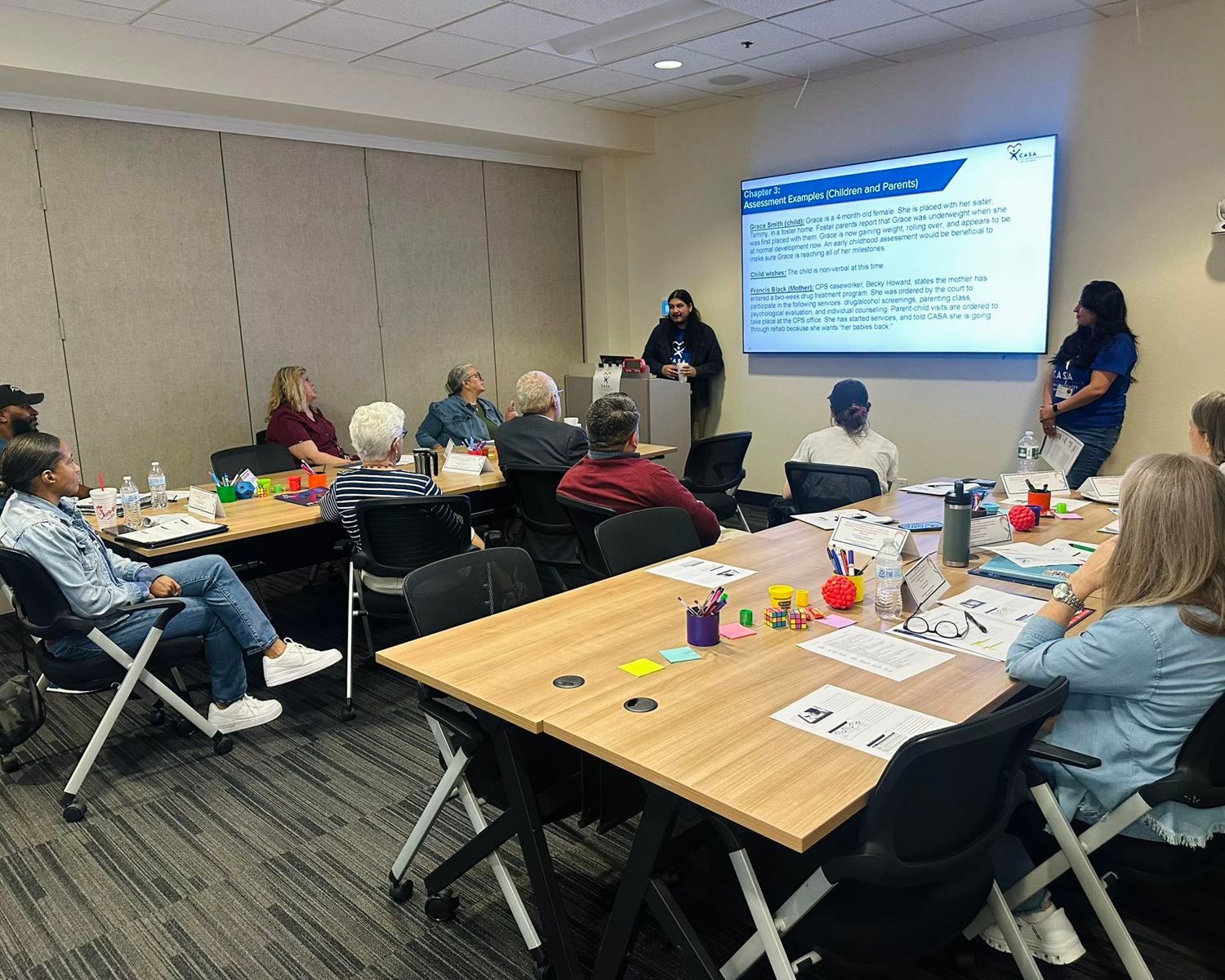
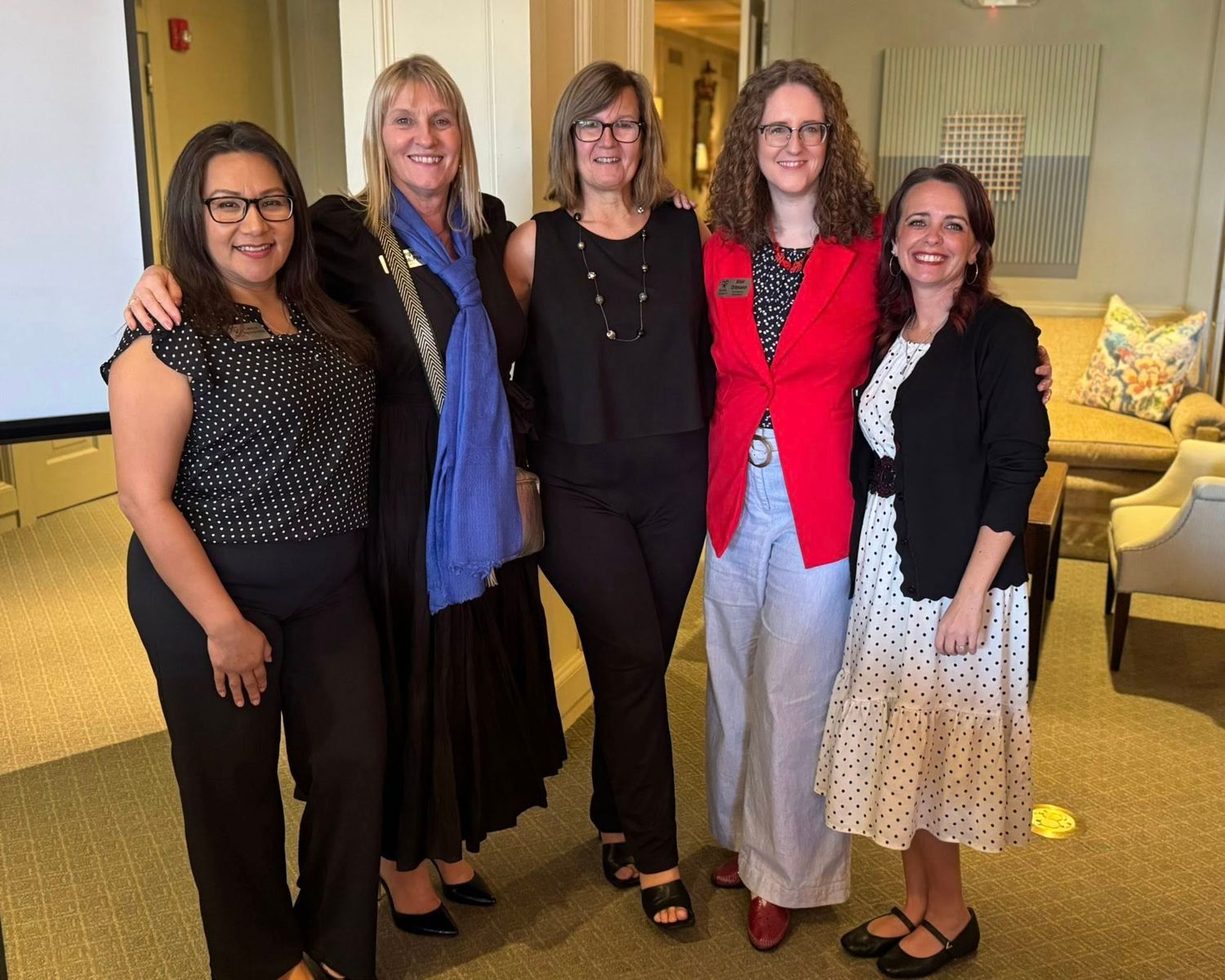
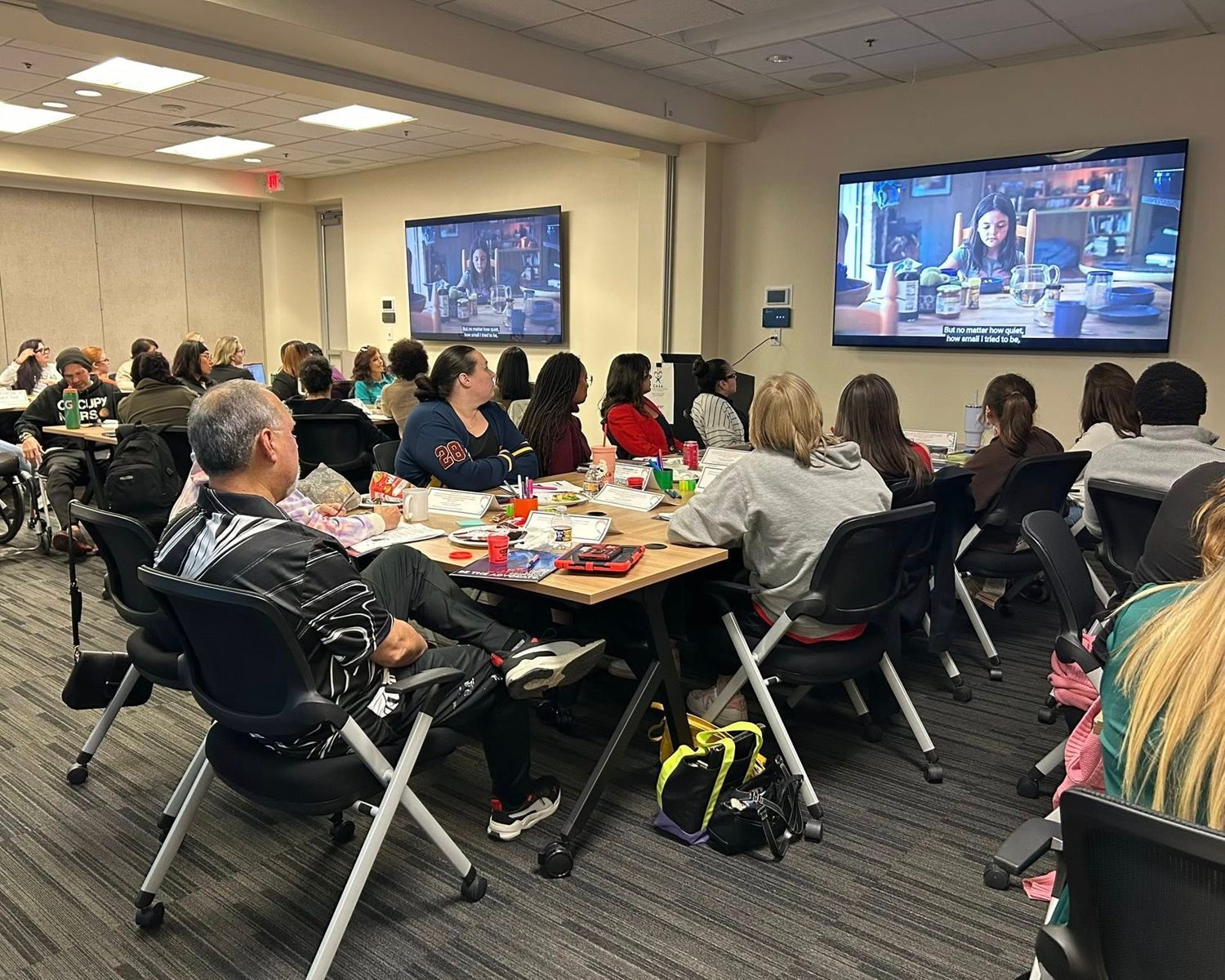
Click photo to see full size.
CASA advocates serve children from infancy through age 18. In some cases, they are present from the very beginning of a child’s life. Hernandez recalled a newborn affected by substance exposure at birth, whose condition was critical. A CASA volunteer was asked to be present—holding the infant’s hand, speaking softly, offering comfort. That child survived and was later adopted at the age of three.
As children grow older, CASA continues to invest in their future. Through its College Docket program, the organization begins working with youth at age 12, helping them explore pathways such as college, trade school, and career opportunities—offering guidance at a time when many foster youth face uncertainty about their future.
Despite its impact, CASA faces an ongoing challenge: the need for more volunteers. Last year, CASA in Bexar County served over 1,000 children with approximately 500 volunteers. However, more than 1,000 children still went without an advocate.
The time commitment is manageable—about 15 to 20 hours per month—and notably, 60% of CASA volunteers maintain full-time jobs. To become an advocate, individuals must be at least 21 years old, pass background checks (including FBI and CPS screenings), and have reliable transportation with a valid Texas driver’s license.
The need is urgent, but the barrier to entry is not expertise—it’s willingness. “You don’t have to know everything,” Hernandez says. “You just need to have a heart.” In a system where children often feel invisible and unheard, CASA volunteers provide something powerful: a voice, a presence, and a reminder that someone cares. For many children in foster care, that can make all the difference.
For more information, to donate, or to signup to be an advocate, call (210) 225-7070 or visit www.casa-satx.org.