

The Hope Center
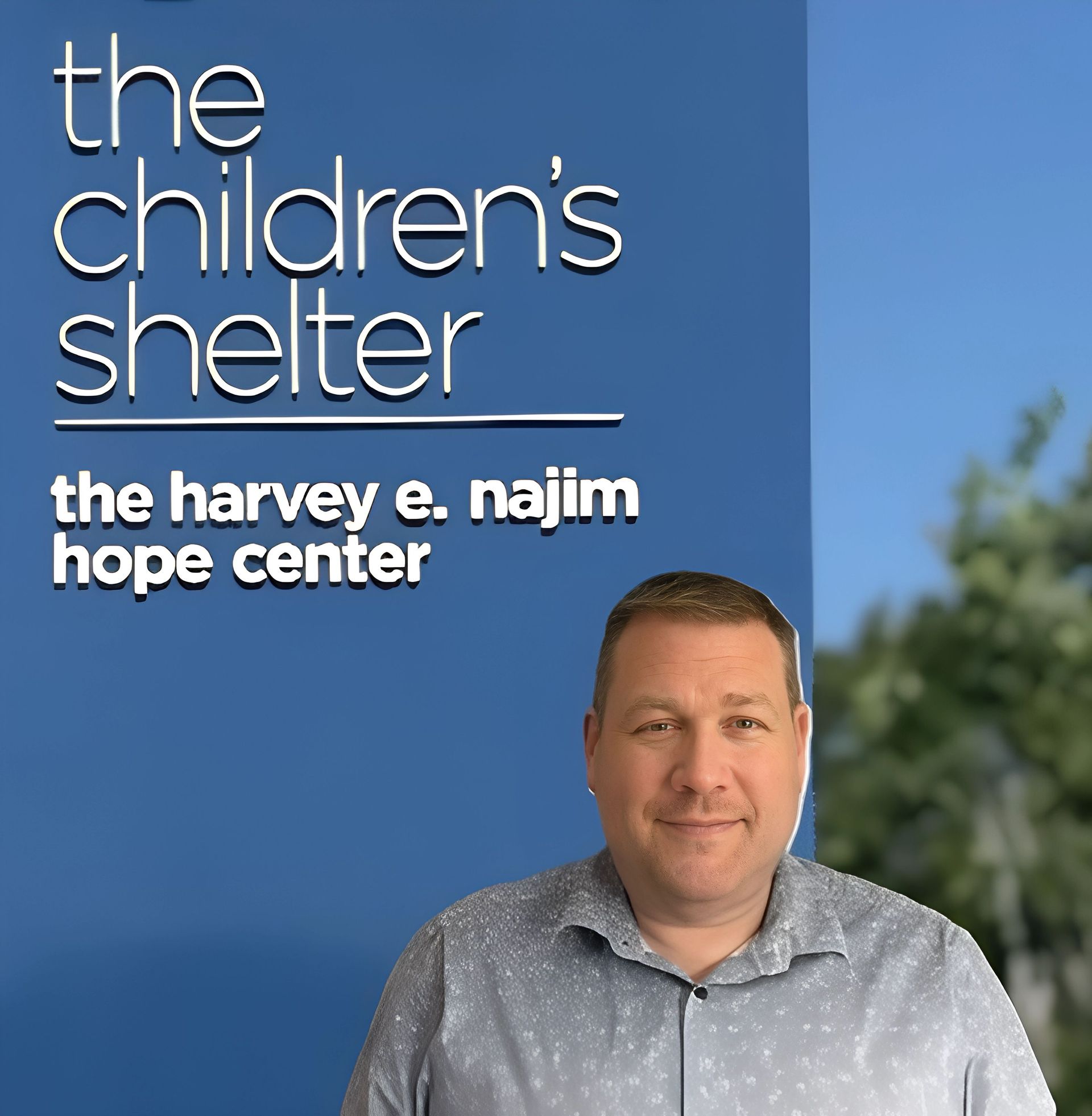
Brian Schwartz, LPC‑S
Brian Schwartz is the Director of Treatment and Clinical Services for The Children’s Shelter program called The Hope Center. Brian said the program opened in 2015 to support children and families who have experienced some form of trauma. The Hope Center is funded through grants and Medicaid. While a sliding scale may be available, Schwartz said the program has not had to charge families for services.
The Hope Center uses several therapy approaches, including play therapy, trauma-focused cognitive behavioral therapy, and EMDR. Counselors help children reshape the story of what happened to them, understand that the trauma was not their fault, and rebuild a healthier sense of self.
Many children served by The Hope Center have been affected by traumatic experiences, abandonment, and ongoing family stress. Schwartz said some children grow up seeing unhealthy relationships as normal. The Hope Center helps children and parents learn what a safe, calm, loving, and nurturing relationships can look like.
Children who struggle with emotional distress may have trouble in school, withdraw from others, or fall in with the wrong crowd. The Hope Center helps children learn how to express their feelings, talk with their parents, and begin thinking about their goals and dreams. The Hope Center serves children ages 3 to 18, young adults ages 18 to 23, and parents of children ages 0 to 18 who need support with parenting. Most sessions are in person, though telehealth is available. The center also has a play therapy room and a sensory room.
A typical number of counseling sessions is 10 to 18 over a 3-to-4-month period. Over the past quarter, The Hope Center had 144 active cases. To ensure each child receives quality care, counselors’ caseloads are no more than 25 clients. Families can complete an inquiry form on The Hope Center’s website (click here) and are contacted within 24 hours or the next business day. Brian is working to change the way children view therapy. Instead of seeing counseling as a failure, he wants children to understand that meeting with a mental health counselor is just as important as visiting a medical doctor.
The Children's Shelter
is celebrating
125 years
of service. For more information or to volunteer or donate, call
(210) 212-2500
or visit
www.childrensshelter.org/hope.