Redeemer House Gives Women in Recovery a Place to Rebuild Their Lives

Erika Schoenhofer
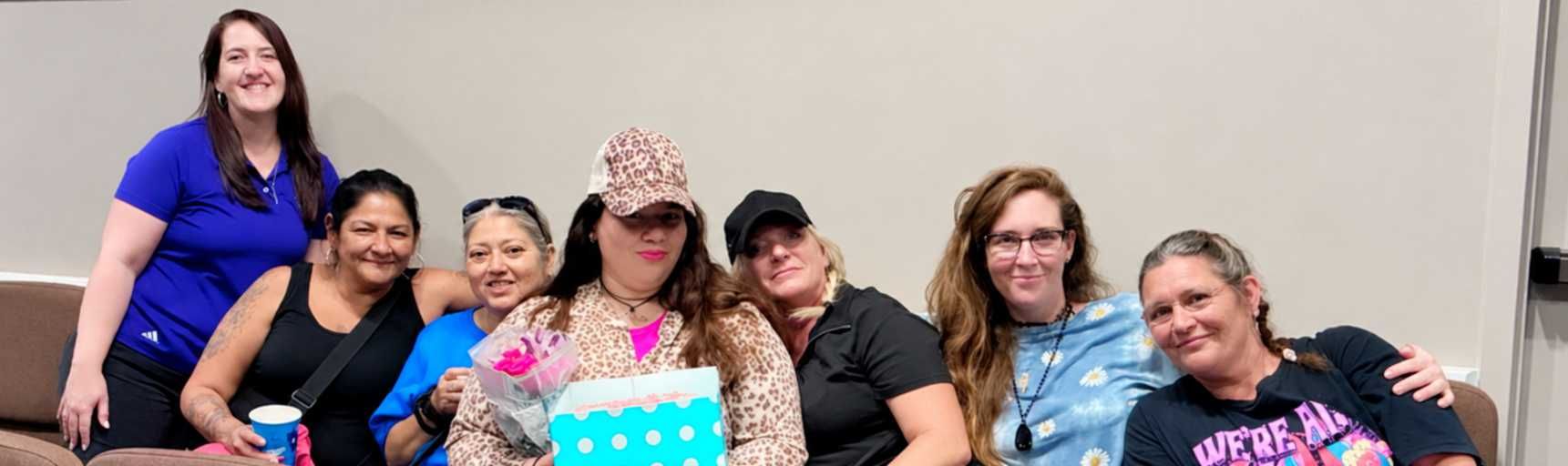
Erika Schoenhofer, LCDC is the Program Director of Redeemer House. Redeemer House began with one sober living home in October 2023. At the time of this interview, its four homes housed 30 women and 12 children. When Ashley O’Leary approached Erika Schoenhofer in 2023 about opening a sober living home, she wanted to address a gap she saw in San Antonio. Women in recovery needed stable housing, and mothers needed a place where their children could live with them.
O’Leary, who leads Redeemer House’s volunteer programs, and Schoenhofer, a licensed chemical dependency counselor who serves as program director, found a house and furnished it with beds and everything else residents would need to move in. In October 2023, they opened the Little Sister House. Their goal was to open another home each year. By the organization’s third year, Redeemer House had four homes.
Each home has room for two mothers and their children, along with spaces for women who are living on their own. Residents can stay from six months to three years. When a woman moves in, her house manager walks her through the house rules, connects her with resources and gives her a schedule of recovery meetings.

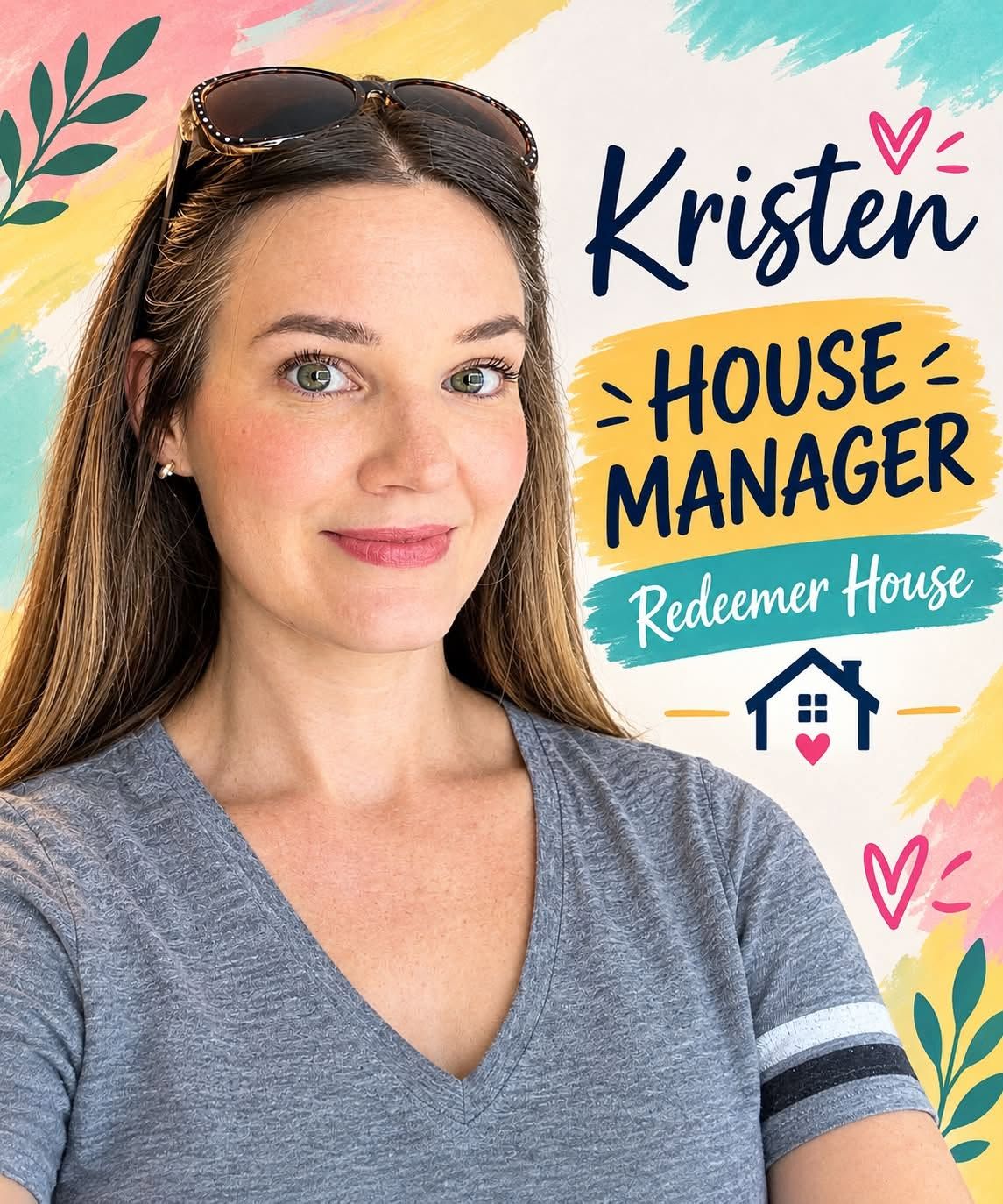
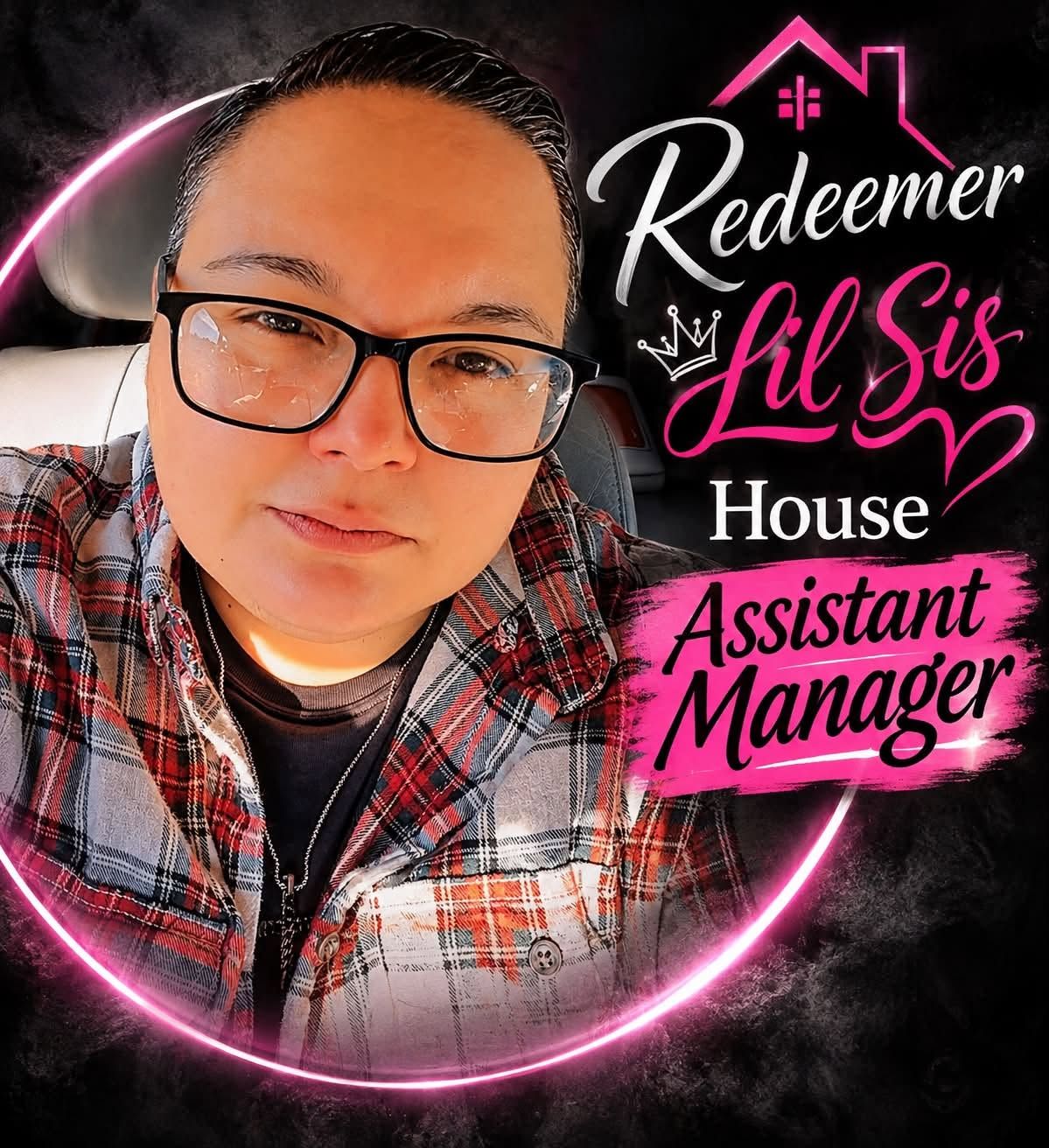
All house managers are certified peer recovery support specialists. Residents who want to support others in recovery can also volunteer to train for that role.
Support for recovery and everyday needs
Referrals can come from courts or treatment centers. Residents are required to participate in a 12-step program, find a sponsor and work through the steps. While looking for employment, residents are expected to be out of the house from 8 a.m. to 3 p.m. Redeemer House refers women to resources such as the Texas Workforce Commission, SA Hope Center and Corazon Ministries.
For some women, looking for work starts with replacing an ID, birth certificate or Social Security card. Redeemer House helps residents recover those documents. Once residents find employment, they contribute toward rent. The nonprofit Pay It Forward helps cover part of the rent for some residents. Schoenhofer said residents also use an app that tracks daily activities such as where they are, which programs they are working through and where they have applied for jobs. In her experience, some women find that structure helpful as they establish a routine.
Faith and recovery
Redeemer House is a Christ-centered organization. Community Bible Church offers Bible studies in each home, and residents can choose whether to attend Bible study or church. Schoenhofer said her counseling background helps her support women recovering from a range of substance use disorders. Each woman’s experience is different, she said. For some, alcohol or drugs became a way to cope with pain and stress before substance use began to cost them jobs, housing or time with their children.
Over time, Schoenhofer has seen women find work, go back to school and build lives they’re happy with in recovery. She described what that looks like for some of the women who have lived at Redeemer House for three years. “They are stable, they have employment, they go to school, they have a car, and they have their life back.” For more information or to donate visit
www.onesourcesa.org/redeemer-house.html